
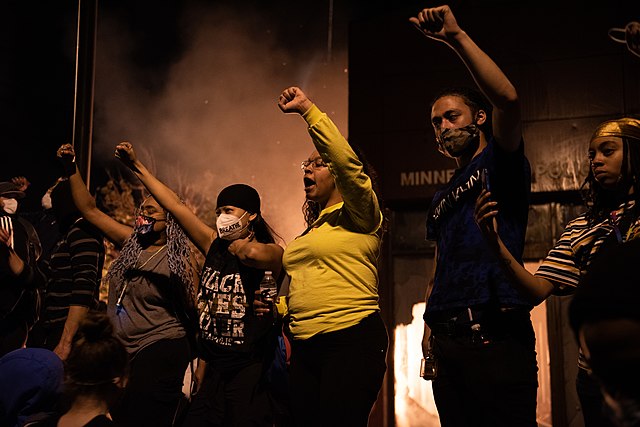
On May 25, 2020, George Floyd’s death during a police encounter in Minneapolis sparked a global outcry. Protests erupted, civil unrest ensued, and Derek Chauvin, the officer who restrained him, was convicted of murder and sentenced to 22 years in prison. The prevailing narrative cast Floyd as a victim of a racist system and a martyr for justice. Yet, almost 5 years later, a closer examination of the evidence reveals a more complex story—one in which Floyd’s actions allegedly played a significant role. Had he complied with police and remained calm, there is a strong possibility he might still be alive today. This prompts a challenging question: Was Chauvin’s conviction a triumph of justice, or a concession to public outrage?
The Autopsy: Beyond the Restraint
The Hennepin County Medical Examiner’s report identified “cardiopulmonary arrest complicating law enforcement subdual, restraint, and neck compression” as Floyd’s cause of death. However, the report also noted fentanyl (11 ng/mL) and methamphetamine (19 ng/mL) in his system—levels capable of suppressing respiration and taxing the heart. Floyd’s preexisting coronary artery disease and recent COVID-19 infection further compromised his health. While Chauvin’s restraint contributed, these factors suggest Floyd’s body was already under severe strain. Focusing solely on the officer’s actions may overlook the role of drugs and health conditions in this tragic outcome.

Bodycam Footage: Resistance Set the Stage
Bodycam footage offers vital context often overshadowed by the viral bystander video. As officers attempted to place Floyd in a squad car, he resisted, citing claustrophobia and stating, “I can’t breathe”—well before Chauvin applied the restraint. Standing 6-foot-4 and weighing over 200 pounds, Floyd’s size and erratic behavior presented a challenge. Toxicology confirmed he was under the influence, consistent with officers’ observations. Had Floyd complied with commands and remained calm, the encounter might have de-escalated, potentially avoiding the struggle that led to his death.

A Troubled Past
Floyd’s prior encounters with law enforcement provide additional perspective. In 2007, he was convicted of armed robbery in Minneapolis. He served five years because he allegedly impersonated a water department worker, entered an apartment with others, and held a pistol to a woman’s stomach during a home invasion. Earlier drug-related charges in Houston also marked his record. While this history does not justify his death, it highlights a recurring pattern of conflict with authority—a pattern that allegedly reemerged in his final moments.
Drugs and Restraint: A Volatile Mix
Floyd’s intoxication heightened the encounter’s volatility. Methamphetamine can provoke aggression, while fentanyl impairs breathing and awareness. For officers managing a large, resistant individual under such influence, restraint poses significant risks. Chauvin’s choice to restrain Floyd for over nine minutes was excessive, yet it followed a struggle triggered by Floyd’s refusal to cooperate. Had he remained calm, the need for such prolonged force might not have arisen.
The Turning Point: Noncompliance
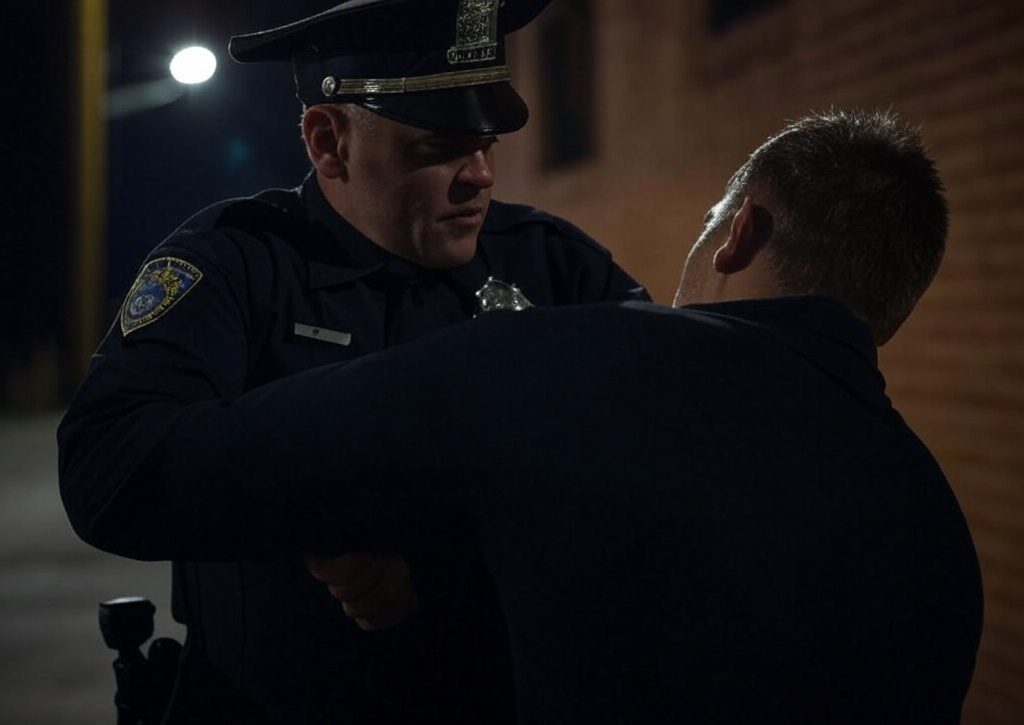
The evidence underscores a critical point: Floyd’s resistance allegedly acted as a catalyst. Had he complied with police and stayed calm, there is a strong possibility he would still be alive. Instead, his actions—driven by drugs and agitation—transformed a routine arrest into a fatal confrontation. This does not absolve Chauvin of responsibility, but it pokes holes into the narrative of unprovoked brutality. Floyd’s decisions mattered, shaping the trajectory of that fateful day.
A Trial in the Spotlight
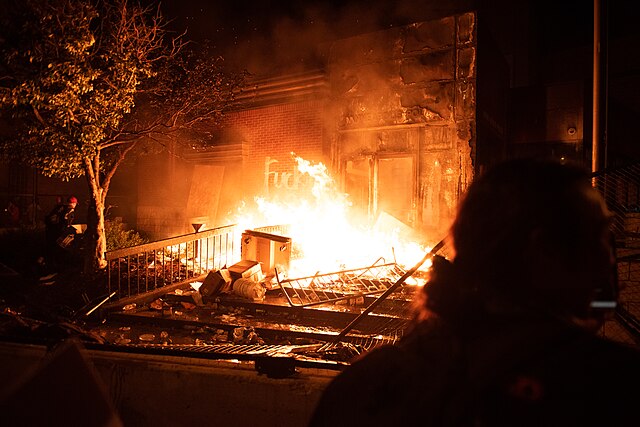
Chauvin’s trial unfolded amid protests, riots, and intense media scrutiny. Jurors, cognizant of the turmoil outside, faced implicit pressure: convict, or risk further unrest. The autopsy’s complexities, the bodycam evidence, and Floyd’s role in escalating the situation were overshadowed by the emotional weight of the viral video. Was the verdict a balanced assessment of the facts, or a reaction to a nation on edge?
The Case for a Pardon
Chauvin’s conviction met a public demand for accountability, but it may have prioritized expediency over justice. The evidence—Floyd’s drug levels, resistance, and health—presents a far more intricate scenario than the prosecution’s narrative. Pardoning Chauvin would not dismiss Floyd’s death but would acknowledge that the officer’s actions occurred in a chaotic moment influenced by Floyd’s noncompliance. Had Floyd complied and remained calm, he might still be alive—a difficult truth warranting reconsideration. A pardon could rectify a verdict swayed more by outrage than reason.

A Call for Clarity
The George Floyd case remains polarizing, yet its lessons demand unflinching reflection. Evidence suggests that Floyd’s resistance and intoxication, alongside Chauvin’s restraint, contributed to his death. Had he complied with police and stayed calm, the outcome might have differed. Chauvin’s punishment, though politically expedient, glossed over these nuances. A pardon would spark controversy, but it could also illuminate a truth obscured by emotion and haste.
Full bodycam footage and autopsy report.
 usafirstnews.org