
Washington — In a notable shift amid escalating tensions with the United States, Ukrainian President Volodymyr Zelenskyy released a public statement on Tuesday, expressing regret over a recent contentious meeting with President Donald Trump and signaling Ukraine’s willingness to negotiate a lasting peace under Trump’s leadership. Posted on X, the announcement coincides with the U.S. pausing military aid to Kyiv, leaving Ukraine vulnerable in its ongoing conflict with Russia and prompting Zelenskyy to propose concessions that could reshape the war’s geopolitical landscape.
“I would like to reiterate Ukraine’s commitment to peace,” Zelenskyy wrote. “None of us wants an endless war. Ukraine is ready to come to the negotiating table as soon as possible to bring lasting peace closer.” He outlined initial steps, including the release of prisoners, a truce prohibiting missiles, drones, and bombs targeting civilian infrastructure, and a cessation of hostilities at sea—provided Russia reciprocates. Zelenskyy also pledged to “work swiftly” toward a final agreement, positioning himself as a partner to Trump, whom he credited for providing Javelin missiles during his first term—a move he described as transformative for Ukraine’s defense.
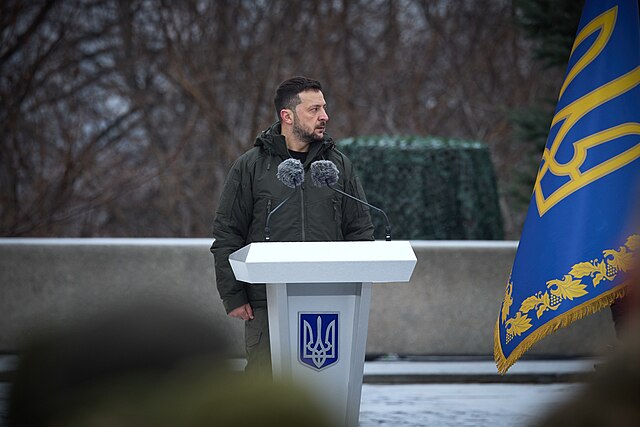
The statement follows a “regrettable” White House meeting on Friday, where Trump, reportedly frustrated by Zelenskyy’s perceived ingratitude for U.S. support, abruptly ended discussions after a heated exchange. According to White House officials, Trump demanded that Kyiv sign a minerals and security agreement, which would grant the U.S. access to Ukraine’s vast reserves of rare earth minerals in exchange for economic and security support. Zelenskyy’s departure without signing the deal—and his subsequent criticism of Trump’s “disinformation”—led the U.S. to freeze further military assistance, a decision that has alarmed European allies and intensified pressure on Kyiv.
In his post, Zelenskyy expressed a commitment to mend ties, stating, “It is time to make things right. We would like future cooperation and communication to be constructive.” He affirmed Ukraine’s readiness to sign the minerals deal “at any time and in any convenient format,” framing it as a step toward “greater security and robust security guarantees.” This shift appears strategically designed to appease Trump, who has long championed a transactional approach to foreign policy, insisting that European nations assume greater responsibility for Ukraine’s defense while the U.S. seeks to recover costs from Kyiv’s mineral wealth.
For conservative audiences, Zelenskyy’s overture may resonate as a pragmatic acknowledgment of Trump’s “America First” agenda. The Ukrainian leader’s praise for Trump’s past support and his readiness to negotiate under “strong leadership” align with the former president’s narrative of demanding accountability from allies. However, skepticism persists among Trump’s base, with some, such as one X user questioning Zelenskyy’s sincerity and citing reports of Ukraine’s allegedly aggressive military recruitment tactics—such as abductions of men for frontline service—as evidence of Kyiv’s desperation.
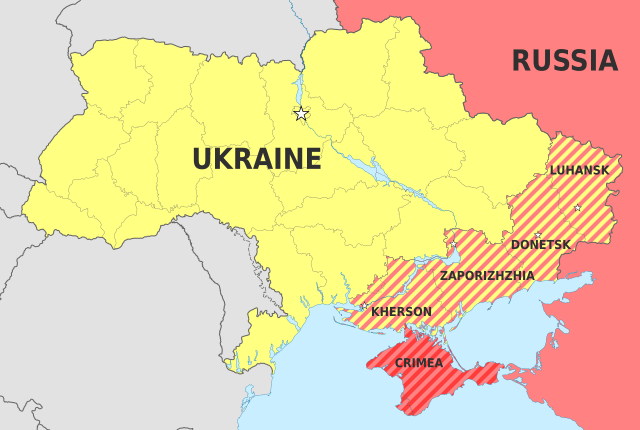
The timing of Zelenskyy’s statement is critical. Russia continues to press its advantage on the battlefield, reportedly claiming control over nearly 20% of Ukrainian territory, while Ukraine struggles with manpower shortages and dwindling Western support. European leaders, including Britain’s Keir Starmer and France’s Emmanuel Macron, have reportedly scrambled to draft ceasefire plans, but Trump’s insistence on a U.S.-led resolution—and his reluctance to commit American troops or security guarantees—has left Ukraine isolated. Zelenskyy’s proposal to ban aerial and naval attacks, if reciprocated by Moscow, could provide a framework for de-escalation, but analysts warn that Russian President Vladimir Putin may exploit any pause in fighting to consolidate gains.
Critics on the right, including X users like @nicksortor, have labeled Zelenskyy’s conciliatory tone as “groveling,” arguing that it validates Trump’s hardline stance. “Zelensky backs down to Trump just hours after the U.S. pauses ALL military aid to Ukraine,” Sortor wrote, reflecting a sentiment that Zelenskyy’s position is weakened by necessity rather than conviction. Others, like @elonmusk, urged caution, posting, “Actions, not words, are what matter. Let’s see what actions take place.”

For Trump, Zelenskyy’s overture could enhance his image as a decisive leader capable of brokering peace, a narrative central to his 2025 agenda. However, the unresolved minerals deal—reportedly offering U.S. access to Ukraine’s graphite, lithium, and other critical resources—remains a contentious issue. According to the BBC, the agreement would establish a joint investment fund, with Ukraine contributing 50% of future mineral proceeds, but Trump has insisted that Europe, not the U.S., bear primary responsibility for Kyiv’s security, a position that has drawn sharp criticism from Zelenskyy’s aides.
Zelenskyy’s statement also underscores the broader geopolitical shift under Trump’s second term, where U.S. foreign policy prioritizes strategic self-interest over traditional alliances. By invoking Trump’s leadership and acknowledging past American aid, Zelenskyy appears to navigate a delicate balance: preserving Ukraine’s sovereignty while appeasing a U.S. president skeptical of prolonged foreign entanglements.
As the war approaches its third year, the path forward remains uncertain. Zelenskyy’s willingness to negotiate could pave the way for a ceasefire, but it risks alienating Ukrainians who view any compromise with Russia as capitulation. For Trump’s conservative supporters, the Ukrainian leader’s concessions may signal a triumph for America’s assertive diplomacy—but only if the promised peace yields tangible results. Until then, Zelenskyy’s words, while conciliatory, will face rigorous scrutiny on both sides of the Atlantic.
 usafirstnews.org