
In a nation where skepticism and imagination often intertwine, some conspiracy theories have transcended their wild origins to reveal unsettling truths. Once mocked as fringe fantasies, these tales of secrecy and deception have been validated by declassified documents, official investigations, and hard-won evidence. They peel back the veneer of American history, exposing a shadow world of government plots, corporate schemes, and ethical breaches that defy belief—until they don’t. Here are five astonishing U.S. conspiracy theories that, against all odds, turned out to be true, each a gripping saga of power, betrayal, and revelation.
1. Operation Northwoods: The Blueprint for a Manufactured War
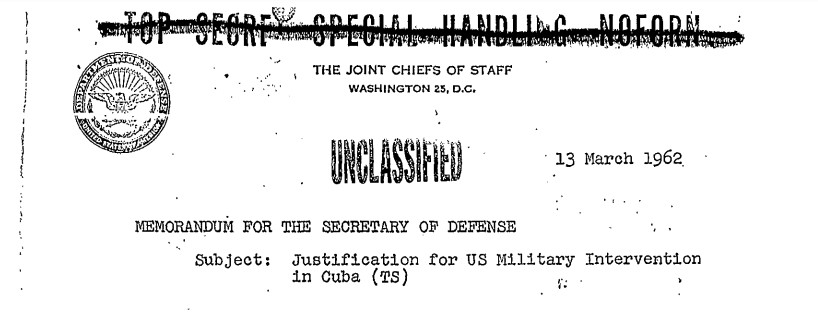
In 1962, amidst the heightened tensions of the Cold War, the U.S. military devised a plan so audacious it seemed like a plot from a Hollywood movie. Operation Northwoods, greenlit by the Joint Chiefs of Staff, outlined a series of fabricated terrorist attacks on American soil—hijacking aircraft, bombing urban centers, and sinking vessels—all engineered to falsely implicate Cuba and galvanize public support for war against Fidel Castro.
“These were not mere speculations,” notes historian James Bamford, author of Body of Secrets. “This was a detailed strategy, sanctioned at the highest military echelons, to mislead Americans into endorsing armed conflict.”
The plan was ultimately rejected by President John F. Kennedy, but its existence remained hidden until 1997, when the National Archives unveiled declassified records. These files exposed plans for staged explosions in Miami and mock funerals for fictitious victims, providing stark evidence of how narrowly the nation avoided a contrived war. The disclosure left citizens questioning what other deceptions might remain buried.
2. MKUltra: The CIA’s Dive into the Human Mind
Imagine a covert CIA program administering LSD to unwitting citizens, using hypnosis, and exploring the limits of human consciousness—all in the name of safeguarding democracy. This was MKUltra, a mind control initiative that spanned the 1950s to the 1970s, transforming speculative fiction into a disturbing reality.
“They aimed to engineer a real-life Manchurian Candidate,” explains Stephen Kinzer, author of Poisoner in Chief. “The CIA sought to manipulate behavior and tested their methods on unaware Americans.”
The program’s existence surfaced in the 1970s after a Freedom of Information Act request revealed surviving documents—remnants spared from CIA Director Richard Helms’ 1973 order to destroy most records. Congressional hearings uncovered a vast operation that subjected soldiers, prisoners, and hospital patients to experiments without consent. The resulting reforms tightened regulations on human testing, yet the breach of trust persists as a haunting legacy of governmental overreach.
3. Operation Mockingbird: When the Press Became a Pawn
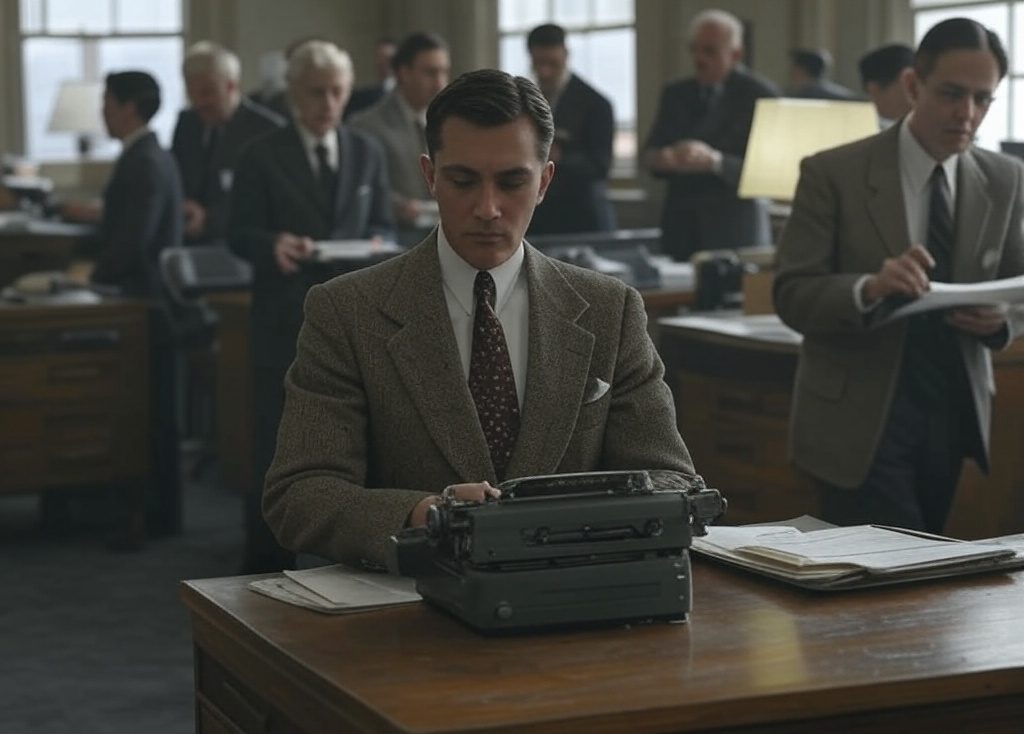
During the 1940s, with the Cold War looming, the CIA initiated Operation Mockingbird, a secret operation aimed at influencing American media. Far beyond planting occasional stories, the agency recruited journalists, editors, and executives from prominent outlets like The New York Times, Newsweek, and CBS, creating a pervasive network of influence that reached millions.
“It was a deliberate attempt to steer public perception,” says Carl Bernstein, the Pulitzer Prize-winning journalist who helped reveal the operation in the 1970s. “The CIA didn’t just seed articles; they embedded operatives within newsrooms.”
At its peak, Mockingbird reportedly employed 3,000 agents and cost $265 million annually—an immense investment in propaganda. The Church Committee hearings in 1975 exposed its breadth, prompting widespread indignation and calls for press independence. Decades later, the operation fuels ongoing skepticism about media integrity.
4. The CIA’s Assassination Programs: Death by Design
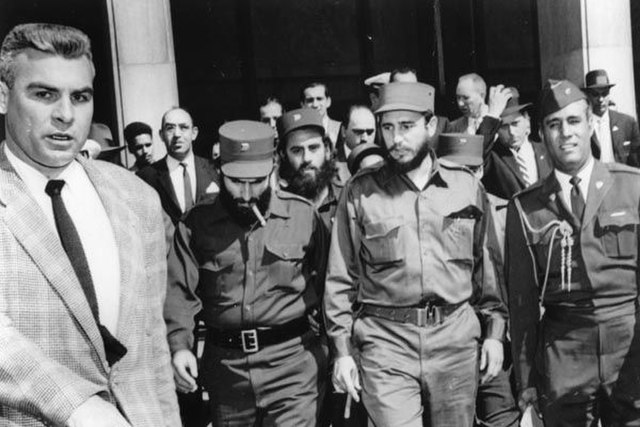
The Church Committee’s 1975 investigation extended beyond media interference to reveal the CIA’s assassination strategies. Operating from the 1950s to the 1970s, the agency developed lethal methods targeting foreign leaders, including poisoned cigars for Fidel Castro, a “Heart Attack Gun” firing undetectable toxins, and an odd scheme to ruin Castro’s beard.
“Assassination was treated as a foreign policy instrument,” observes historian Larry J. Sabato, author of The Kennedy Half-Century. “It operated in a murky realm where ends were deemed to justify means.”
Declassified records confirmed plots against leaders in Iran, Chile, and the Congo, among others. The revelations contributed to reforms, including Executive Order 12333, which later banned assassinations by U.S. intelligence agencies. Nevertheless, the documented history of state-sanctioned killings continues to provoke ethical debates about covert authority.
5. The Business Plot: A Coup in the Land of Liberty
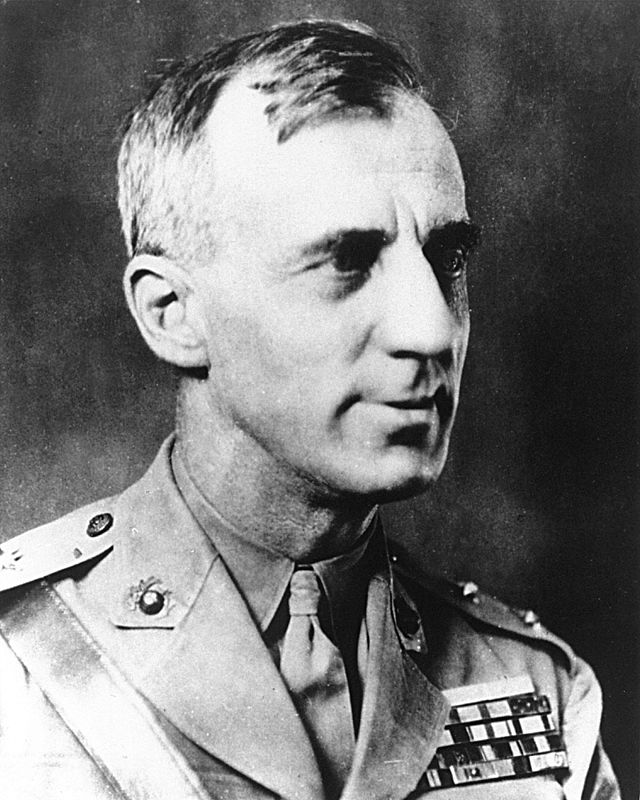
In 1933, as the Great Depression gripped the nation, a group of affluent businessmen allegedly conspired to overthrow President Franklin D. Roosevelt and establish a fascist government. Dubbed the Business Plot, this plan reportedly tapped Marine Corps General Smedley Butler to command a 500,000-strong veterans’ force, with figures like Prescott Bush—grandfather of a future president—said to be involved.
“It was a time of desperation, and desperation breeds extreme measures,” remarks historian Sally Denton, author of The Plots Against the President. “Whether a genuine threat or mere discussion, it underscores democracy’s fragility.”
Butler exposed the scheme, testifying before Congress in 1934. The committee confirmed elements of a “wild scheme” but pursued no charges, leaving its full scope uncertain. Later investigations by the BBC and historians have supported Butler’s claims, depicting a narrative of corporate ambition teetering on treason. It stands as a cautionary tale of democracy’s hidden perils.
A Nation Unmasked
These five conspiracy theories, once dismissed as mere paranoia, have been proven true and now serve as sobering reminders of the potential for abuse of power. They highlight a persistent pattern: power, when veiled in secrecy and unchecked, can morph into entities that defy even the boldest suspicions. Operation Northwoods demonstrated a military prepared to orchestrate terror; MKUltra, a government experimenting on its citizens; Mockingbird, a press molded into compliance; the assassination programs, a state embracing lethal force; and the Business Plot, a hint at democracy’s susceptibility to subversion.
“These aren’t mere historical footnotes,” cautions Bernstein. “They remind us that democracy demands vigilance. In the shadows of power, anything can unfold.”
In today’s digital era, where conspiracy theories proliferate, these verified cases provide a critical lens. They urge us to distinguish fact from fiction, hold authorities accountable, and accept that occasionally, the most improbable stories are those history affirms. In a landscape of secrets, truth—however extraordinary—inevitably finds its way to the surface.
Relevant Documents
 usafirstnews.org
Leave a comment